
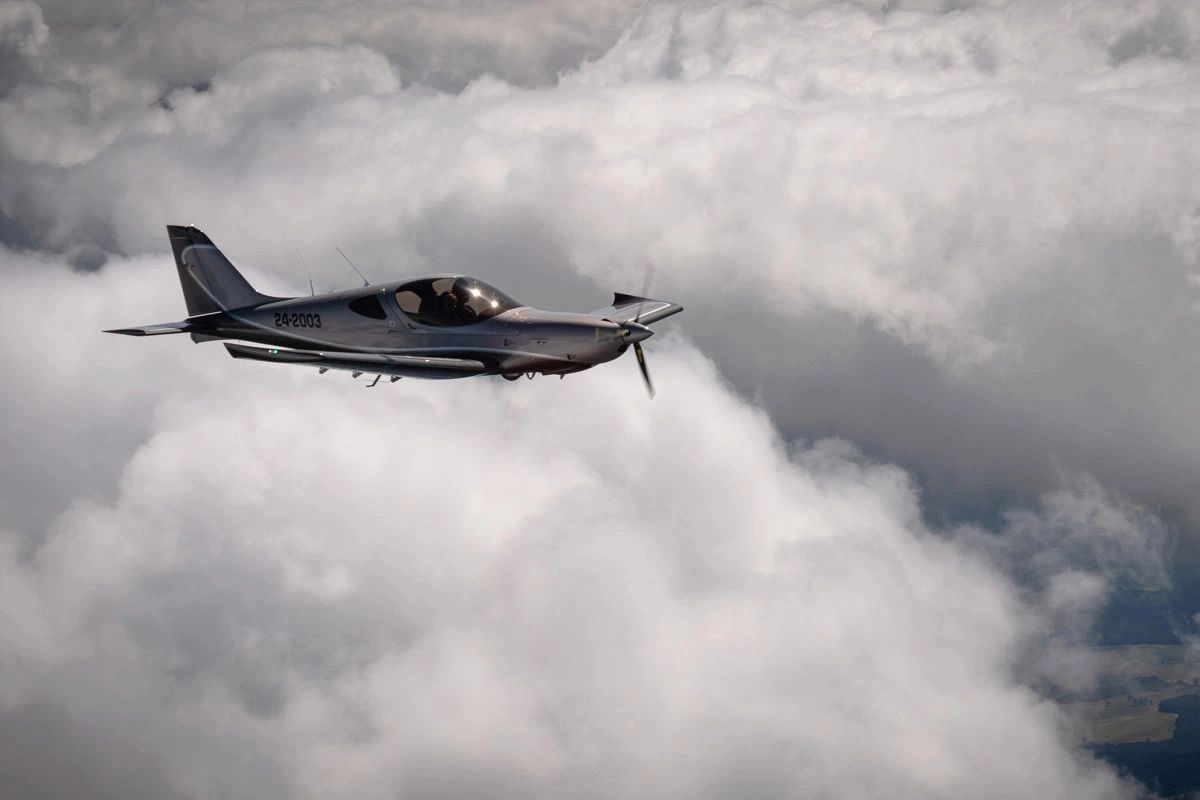
Career
Pilot Path
With demand for pilots at an all-time high, there has never been a better time to start. Our career pathway puts you on the road to an airline or corporate cockpit for a fraction of the price of an aviation college, and gets you paid to fly more than 100 hours sooner than the traditional route.
Zero experience to a paid pilot job in about a year
Most career students spend 250+ hours and tens of thousands of dollars before they can legally fly for pay. Ours start earning at 150.
The secret is the Sport Pilot Instructor certificate (CFI-S). Under FAR 61 Subpart K, a Sport Pilot Instructor can teach in a light sport aircraft with 150 hours total time and 100 hours pilot-in-command. No Instrument rating. No Commercial certificate. Because every airplane in our fleet is a light sport aircraft and we specialize in sport pilot training, we can offer a unique opportunity to start your aviation career over 100 hours earlier than anyone else.
From there, you instruct for us while you earn your Instrument rating and Commercial certificate, and keep building toward the 1,500 hours the airlines require. Every hour you'd normally pay for, someone is paying you.
Three steps from zero to career
Earn your Private Pilot certificate
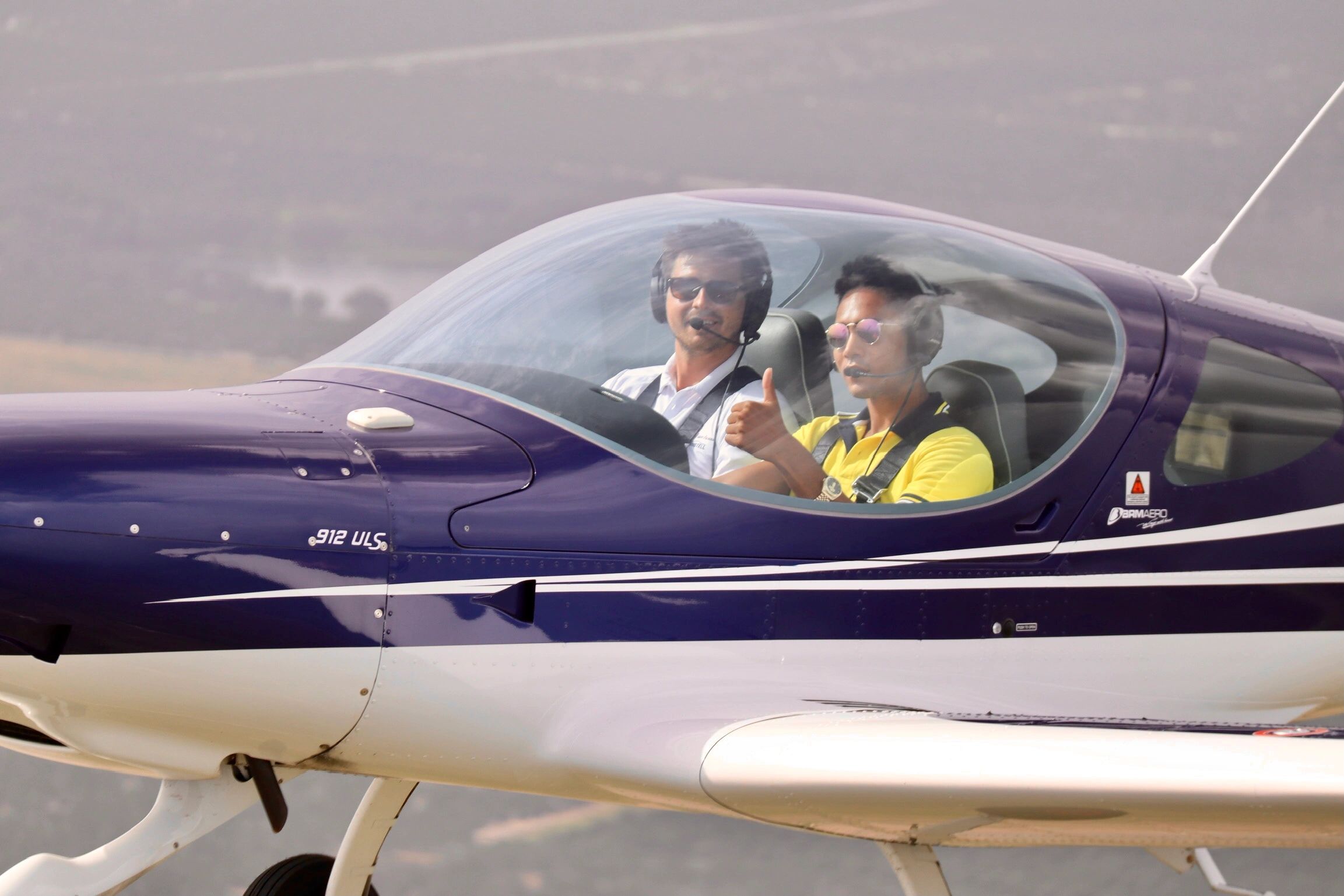
Start with a one-week, 10-hour introductory package (about $2,000). After 10 hours, we'll tell you honestly whether you have what it takes. Then continue to your Private Pilot checkride at about 140 hours, training in a Garmin glass-cockpit Bristell the entire time.
Build time and earn your CFI-S
Build hours in our time-building aircraft for $80 per hour wet. At 150 hours total time and 100 hours PIC, take your Sport Pilot Instructor checkride. No Instrument rating or Commercial certificate required.
Instruct, earn and climb
Begin working for Sebring Flight Academy as a flight instructor. While you get paid, earn your Instrument rating and Commercial certificate, then keep building toward the Airline Transport Pilot certificate.
Get paid to fly 100+ hours sooner
The normal path requires over 250 hours before you can fly for compensation or hire. Ours doesn't.
Traditional Career Route
Hours before you can legally fly for pay
- Private, Instrument and Commercial all paid out of pocket
- Then a CFI certificate before your first paycheck
- Typically 2+ years and $80,000–$100,000+
SFA Career Pilot Path
Hours to your Sport Pilot Instructor checkride
- Paid instructing in under a year from your first lesson
- Instrument and Commercial earned while you're getting paid
- Estimated around $60,000 from zero to Commercial Pilot*
We estimate zero to Commercial Pilot for about $60,000
We don't hide the cost. We help you plan it. Here is how the numbers break down for a typical student who trains consistently.
- Introductory package: one week, 10 hours of flight training, about $2,000. After this we'll tell you if you have what it takes to be an airline pilot or a Sport Pilot Instructor.
- To Sport Pilot Instructor: progress to 150 hours, with your Private Pilot checkride at about 140 hours and your CFI-S checkride at 150.
- Commercial & Instrument: earned while you build the 150 hours and beyond, estimated at less than $3,000 for each rating.
- Time building: $80 per hour wet in our time-building aircraft.
- Housing: from $50 per night or $500 per month in the academy house, five miles from the airport.
| Milestone | Hours | Estimate |
|---|---|---|
| Introductory package (1 week) | 10 | ~$2,000 |
| Private Pilot checkride | ~140 | — |
| Sport Pilot Instructor checkride | 150 | — |
| Instrument rating | while instructing | < $3,000 |
| Commercial certificate | while instructing | < $3,000 |
| Time building (your cost) | per hour | $80 wet |
| Zero to Commercial Pilot | — | ~$60,000* |
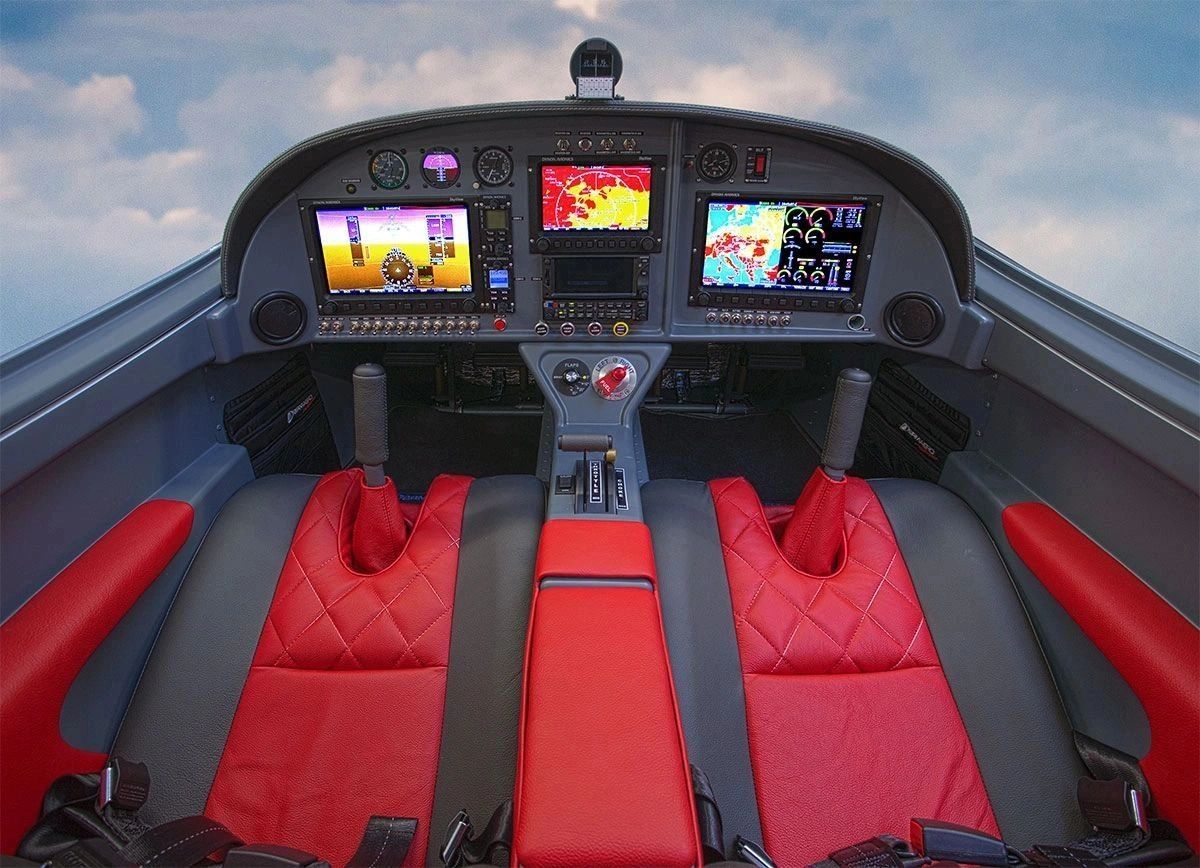
Train in the cockpit you will fly professionally
Corporate aviation companies value experience with modern avionics. Training here will make you stand out from the crowd when you apply to your dream job.
Every aircraft in our fleet has Garmin G3X Touch glass-panel avionics, including an autopilot with flight director. And because the Bristell has a PFD/MFD display, GPS and a two-axis autopilot, it qualifies as a Technically Advanced Aircraft, which means it can satisfy all the Commercial Pilot certificate prerequisites. No need to log 10 hours in a complex aircraft.
See the fleetWhat a year at SFA looks like
Fly consistently, live five miles from the ramp, and this is realistic. In less than a year from starting, you can earn your Light Sport Flight Instructor certificate and begin getting paid for most of the hours you need for a corporate or airline job.
Introductory package
10 hours of flight training. We evaluate you honestly and you evaluate us.
Private Pilot checkride
Your first certificate, earned in a glass-cockpit Bristell with one dedicated instructor.
Sport Pilot Instructor checkride
You're now legal to instruct and earn. Priority hiring as a CFI-S at Sebring Flight Academy.
Instrument & Commercial
Add both ratings for less than $3,000 each while your students pay for your flight time.
Airline Transport Pilot
Meet ATP minimums (currently 1,500 hours, Commercial with Instrument, age 23) and go get the job.
From our ramp to the flight levels
Timothy took his first flight with CFI Brant H. at 11 years old. Today he is Captain on the PC-12. And having a blast!
Sebring Flight Academy graduate. Now flies the Hawker 800XP.
Dustin now flies the Lear 60 at flight levels and speeds others may never see... and loves the view!
Straight answers for serious students
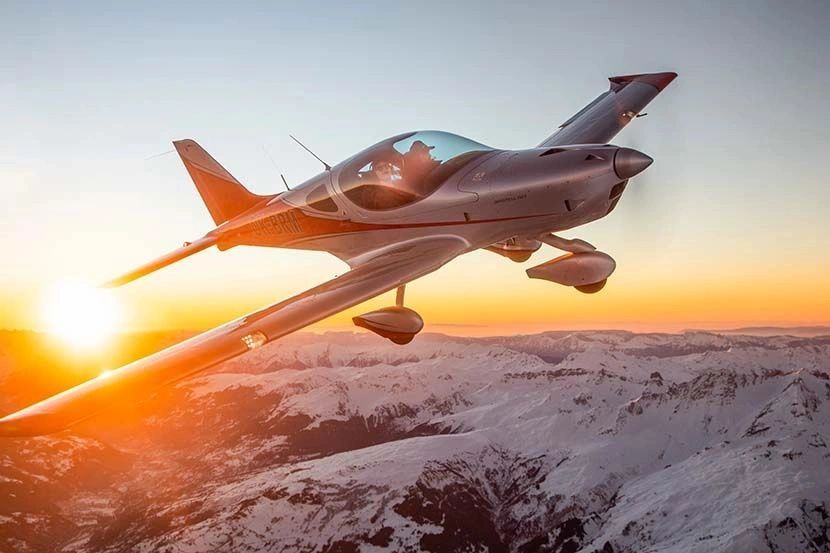
Your career starts with one flight.
The first step of the program is a discovery flight. Meet your instructor, fly the Bristell, and get an honest assessment of the path ahead.