
Instrument Rating
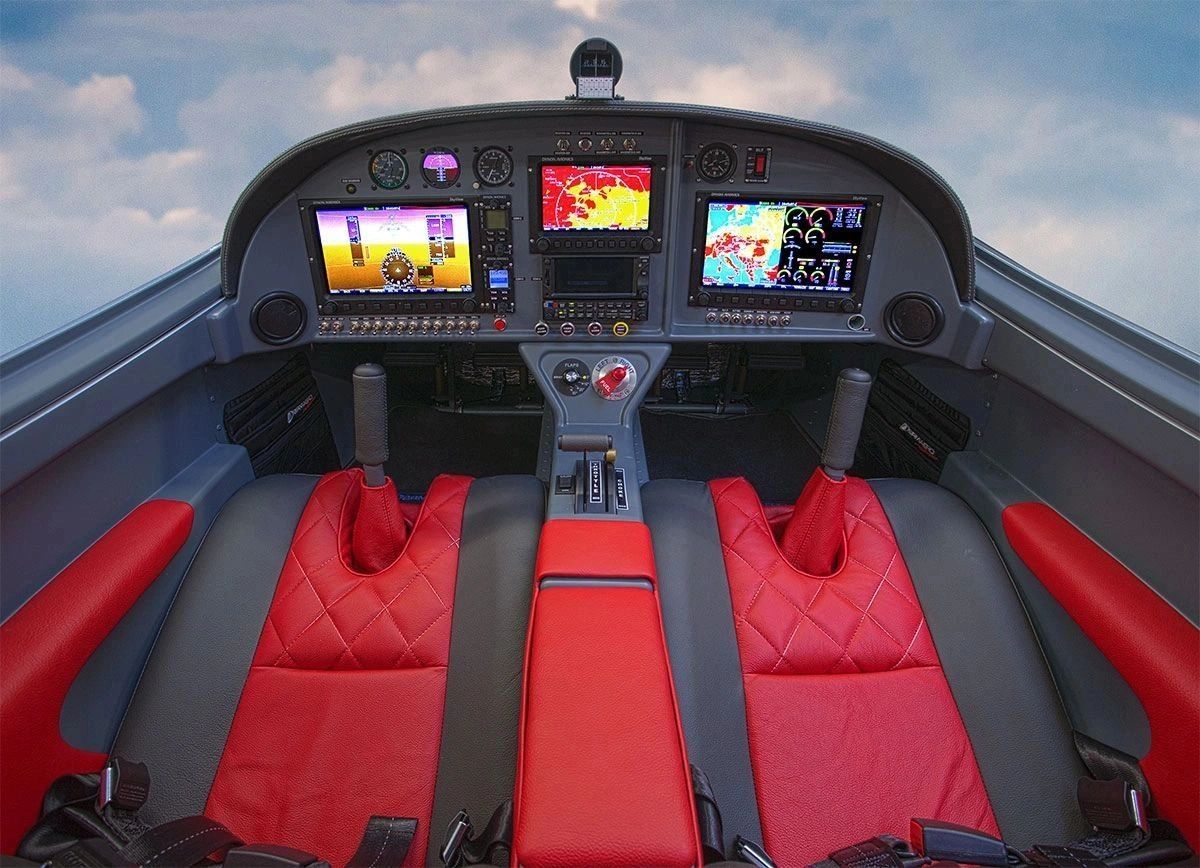
Fly safely in instrument meteorological conditions and within the IFR system. Training on the Garmin G3X Touch with up to 20 hours in our full-motion Redbird FMX simulator, typically completed in about 40 hours.
Why add an instrument rating
An instrument rating allows you to fly in weather conditions that would otherwise ground a VFR-only pilot, and it is required for every professional flying position. It is also widely regarded as the rating that makes a pilot more precise and disciplined in all conditions.
Instrument training teaches you to control the aircraft solely by reference to the flight instruments, navigate within the IFR system, communicate with air traffic control and fly instrument approaches to published minimums. At Sebring Flight Academy you will train in a glass cockpit with a coupled autopilot, the same technology used throughout professional aviation.
- Generally about 40 hours of instrument training
- Up to 20 hours logged in our FAA-approved Redbird FMX AATD
- Garmin G3X Touch with GPS steering, vertical guidance and altitude hold
- Estimated cost about $7,500
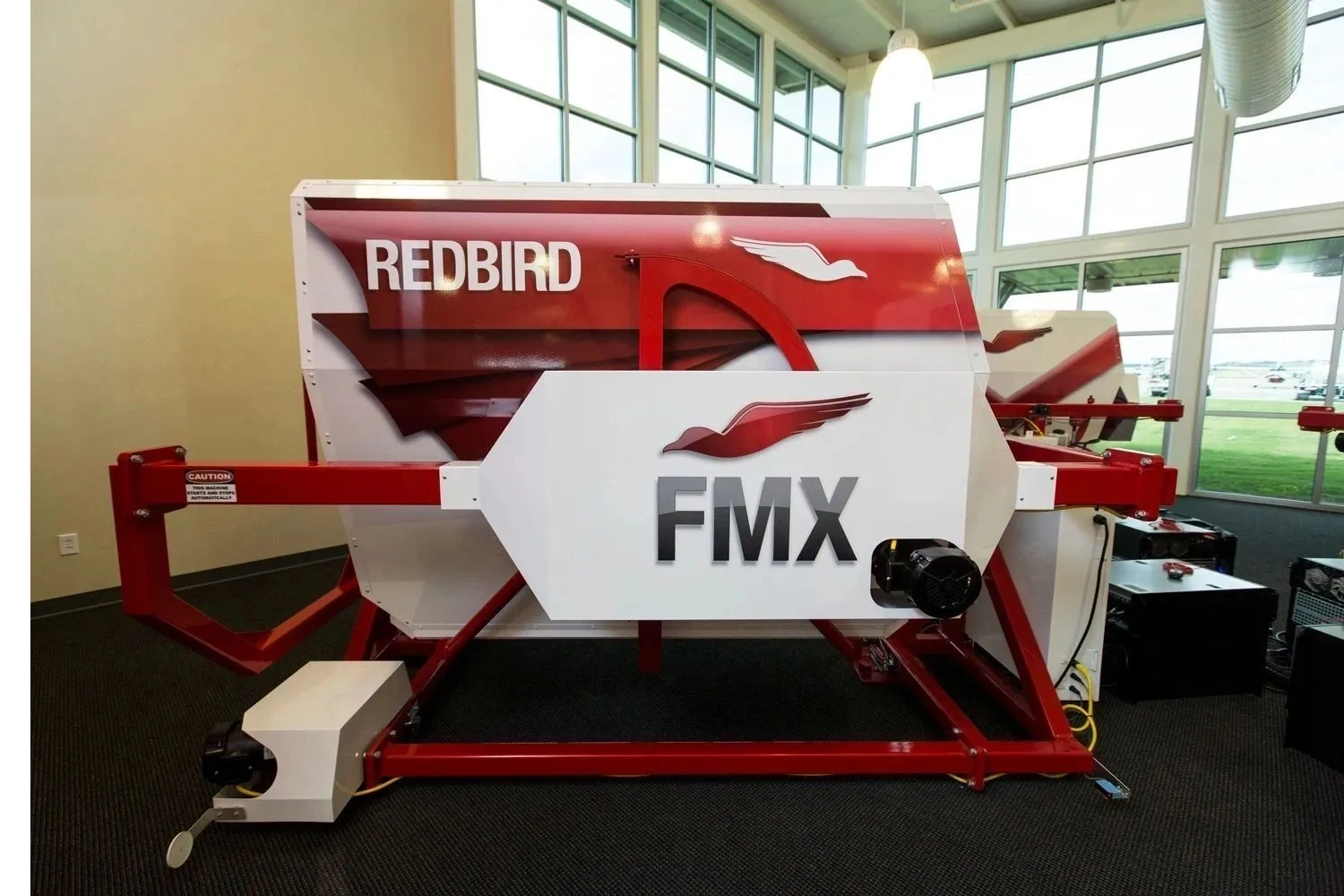
The Redbird FMX advanced aviation training device
Our Redbird FMX is an FAA-approved Advanced Aviation Training Device mounted on a full-motion platform. Under FAA regulations, instrument students may log up to 20 hours of their required training in the FMX, at a substantially lower hourly cost than the aircraft.
Simulator sessions allow your instructor to pause and repeat procedures, present instrument failures and system malfunctions, and set weather to published minimums, all in a controlled environment. Training continues on days when weather is below limits for instruction in the aircraft, so your progress is not interrupted.
What you will learn
Attitude instrument flying
Precise aircraft control by reference to the primary flight display: scan, cross-check, interpretation and control.
IFR navigation and procedures
Departure, en route, arrival and holding procedures using the G3X Touch GPS navigation and the coupled autopilot.
Instrument approaches
GPS, ILS, VOR and LPV approaches flown to standards, first in the Redbird FMX and then in the aircraft.
ATC communication
Clearances, readbacks and operating within the IFR system at towered and non-towered airports.
Weather and decision-making
Interpreting forecasts, recognizing icing and convective hazards, and applying the Landing Doctor's Personal Limitations Checklist.
Emergency procedures
Instrument failures, partial-panel flying, lost communications and unusual attitude recovery.
What you need to start
| Certificate | Private Pilot certificate (or concurrent training) |
| Medical | Current FAA medical certificate |
| Language | Read, speak, write and understand English |
| Knowledge test | FAA Instrument Rating written exam (we partner with Pilot Institute for ground school) |
| Estimated training | About 40 hours, up to 20 in the Redbird FMX |
| Estimated cost | $7,500 |
Estimate only. Individual progress varies. Checkride and written exam fees are additional.
Ready to add your instrument rating?
Talk to an instructor about where you are now and how quickly you can complete the rating. Private Pilots can usually begin right away.