
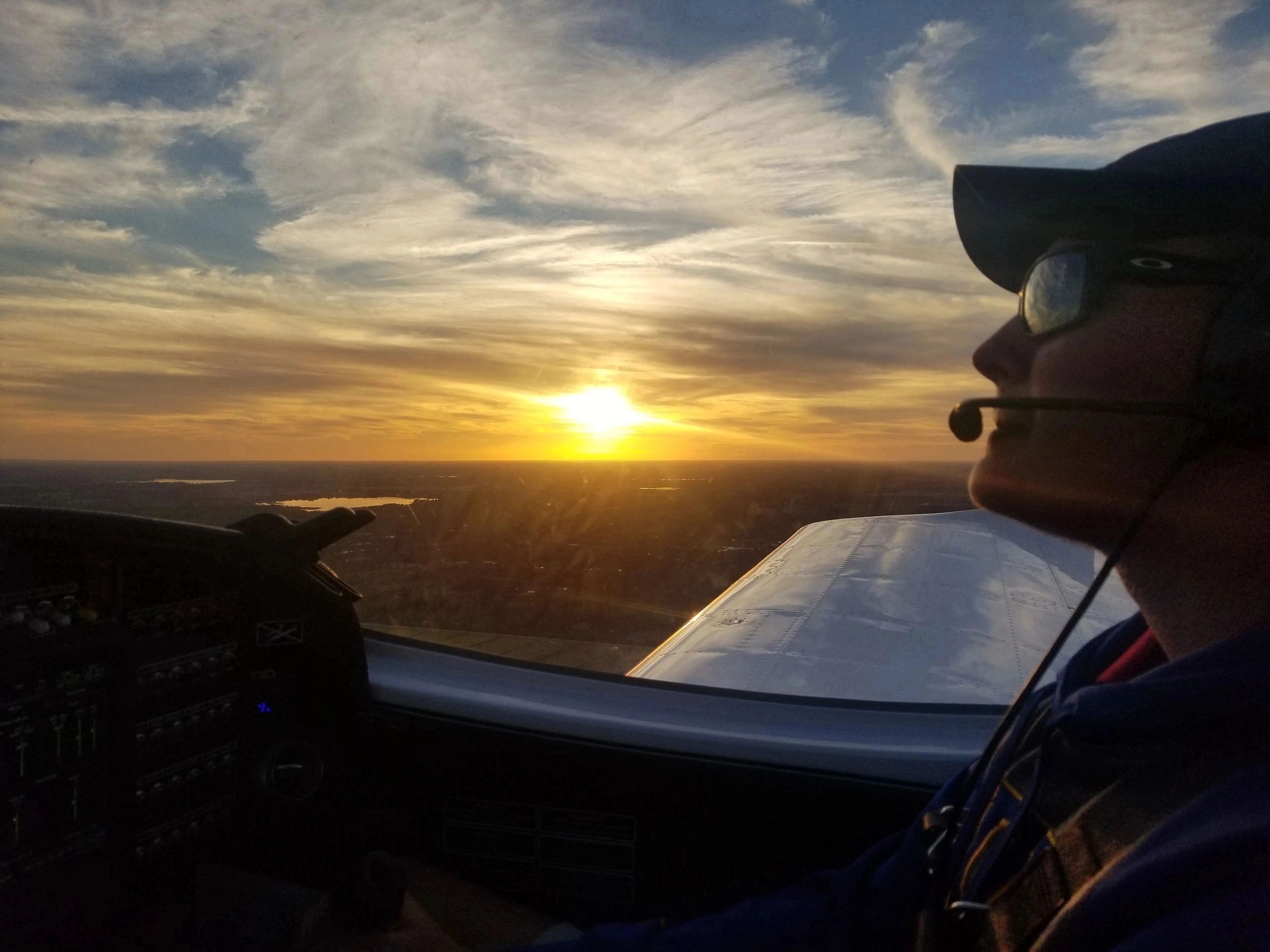
Private Pilot Certificate
The classic first step for an aspiring recreational or professional pilot. Broader privileges than Sport Pilot, including night flying, more aircraft types and the ability to add an instrument rating.
Why earn a Private Pilot certificate
The Private Pilot certificate is generally the first step for an aspiring recreational or commercial pilot. It carries broader privileges than the Sport Pilot certificate: a wider range of aircraft, night flying, multiple passengers, and the ability to add an instrument rating and every certificate and rating after it.
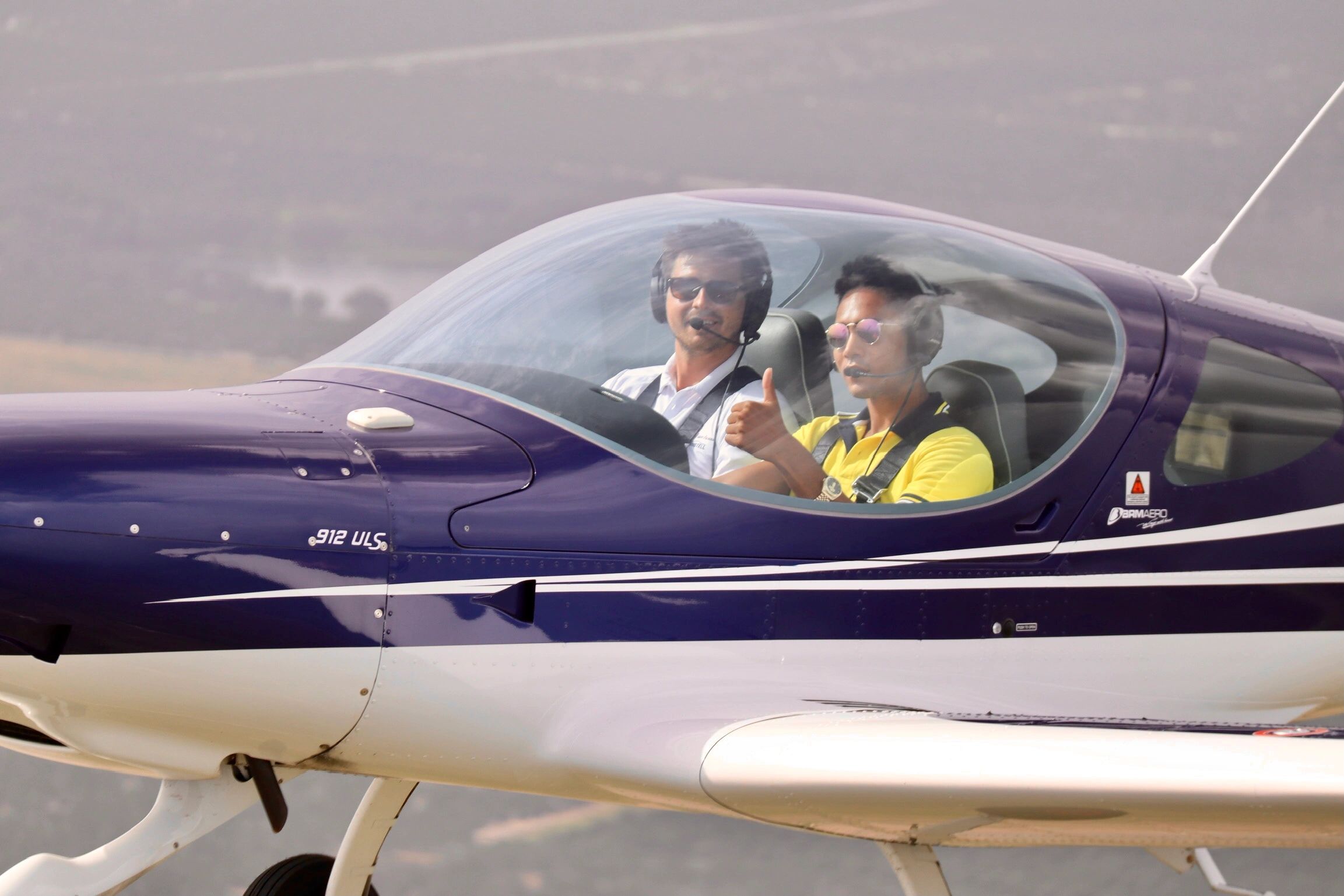
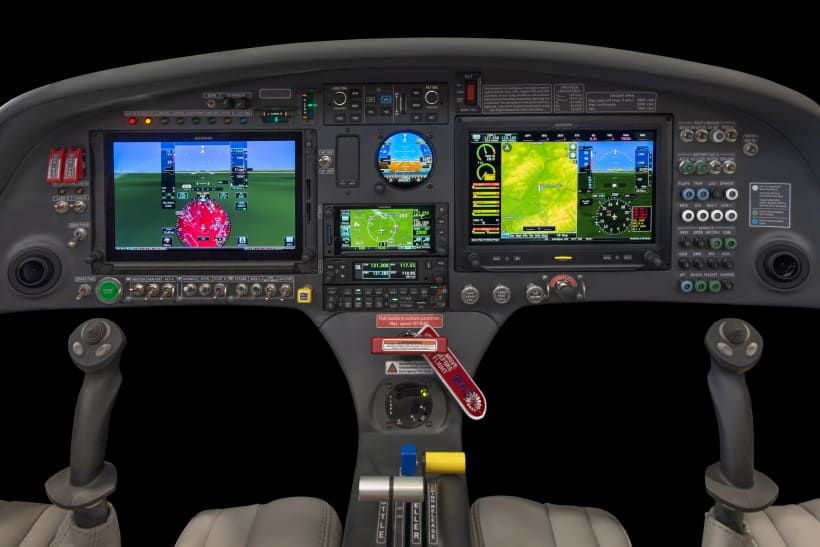
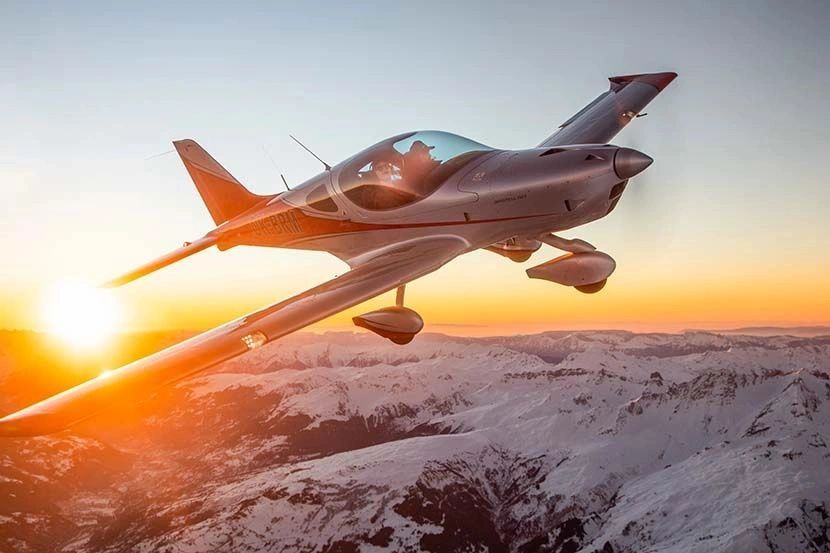
Our Private Pilot syllabus follows the same three-phase structure as our Sport Pilot course, with additional lessons to meet the higher minimums: night flying, basic instrument flying and towered-airport operations. You'll train in a Bristell NG5 with Garmin G3X Touch avionics and finish as a well-rounded pilot who is comfortable in a glass cockpit and ready for whatever comes next.
- Night flying and towered-airport operations
- Basic instrument flying, the foundation for an instrument rating
- Required first step for the Career Pilot Path
- One dedicated instructor from first flight to checkride
What you will learn
A structured, phased syllabus gets you from zero to checkride as efficiently as possible. Ground instruction is built into every lesson, and we partner with Pilot Institute for online ground school so you arrive at the FAA knowledge test prepared. Your training ends with a checkride with an FAA Designated Pilot Examiner: an oral exam followed by a practical flight test.
Eligibility
- At least 17 years of age
- FAA 3rd Class Medical Certificate
- 40 hours of logged flight time (FAA minimum)
- Read, speak and understand English
Estimated time / cost
Our estimate for a typical student. Individual progress varies.
Basic aircraft operation
Controls, systems, procedures, takeoffs and landings using Ground Proximity Awareness. Phase 1 ends with your first solo.
Navigation and cross-country
Flight planning, pilotage and dead reckoning, G3X navigation, towered-airport operations, night flying and basic instrument flying. Phase 2 ends with your solo cross-country flights.
Checkride preparation
Maneuvers to Airman Certification Standards, oral exam preparation and a mock checkride.
Where a Private Pilot certificate can take you
Instrument Rating
Fly in the clouds and on the gauges. About 40 hours, with up to 20 in our Redbird FMX simulator.
Learn more
Career Pilot Path
Become a paid Sport Pilot Instructor at 150 hours, then earn Commercial and Instrument while you build time.
Learn more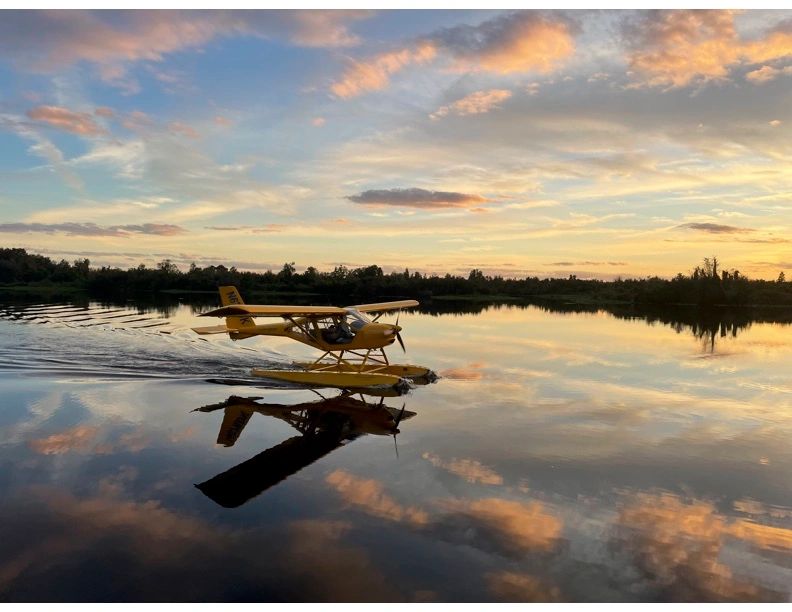
Seaplane Rating
Add a single-engine sea class rating on Central Florida's lakes in about 5–7 hours.
Learn more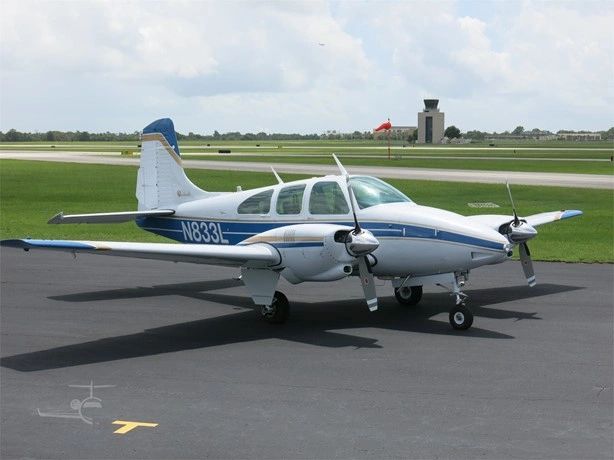
Multi-Engine Rating
Add a multi-engine class rating in our Beechcraft Travel Air.
Learn moreCommon questions
Start with a discovery flight.
Meet your instructor, tour the school and fly a Bristell yourself. Your discovery flight is logged as your first lesson.